






The human touch in a digital freight world
The future of freight forwarding is being transformed by technological advancements, data-driven operations, digital platforms, and sustainability initiatives, making the industry smarter, more efficient, and more resilient than ever before. Artificial intelligence and advanced analytics are optimizing route planning, demand forecasting, and inventory management, leading to cost reductions and improved delivery reliability. At the same time, digital freight platforms and automated booking systems are revolutionizing operations by enabling real-time tracking, automating customs documentation, and centralizing information for greater transparency.
Global networks strengthen collaboration
Backman-Trummer’s role in the international logistics landscape is reinforced through strong partnerships and trusted global networks. By being an active member of WFN (World Freight Network), GFP (Global Freight Partnership) and WPA (World Parcel Alliance), the company benefits from a worldwide community of reliable partners who share information, best practices, and local expertise.
These networks enable smooth door-to-door solutions, faster problem solving, and seamless coordination across multiple countries and time zones. Strong cooperation also ensures that customers receive consistent service quality, regardless of where their cargo is moving.
In an industry where digital tools accelerate processes, human relationships remain the glue that keeps global supply chains functioning. Through these networks, Backman-Trummer can combine local agility with global reach, offering customers the confidence that their freight is handled by committed professionals around the world.
The skills of tomorrow’s freight forwarder
The transformation also demands new skill sets. Future freight forwarders must be digitally literate and comfortable using emerging technologies such as AI, IoT, and cloud computing. The ability to analyze and interpret data is now essential for making predictive, data-driven decisions that optimize supply chains.
Equally important is building supply chain resilience, developing contingency plans, managing risks, and staying adaptable to global market changes. Understanding sustainability, from eco-friendly logistics practices to emission-minimizing route planning, is becoming an integral part of professional competence in the field.
Technology transforms logistics
Digital platforms and automation have changed how freight forwarders work. Cloud-based systems and digital freight marketplaces simplify shipment management, enhance collaboration across global teams, and provide immediate access to key information.
Automation tools and integrated dashboards streamline warehouse operations, documentation, and communication, minimizing manual errors and operational costs. Meanwhile, evolving trade regulations and expanding free trade agreements require forwarders to stay current with compliance procedures, using automation to maintain accuracy and avoid costly delays. The rapid growth of e-commerce and the rising expectations for faster and more transparent deliveries continue us to push innovation across the industry.
Technology development brings efficiency, but real added value comes from understanding people and their business – that’s where the human touch makes the difference.”
Balancing technology with a human touch
In summary, the future freight forwarder will thrive by combining technology, digital platforms, sustainability, and adaptability, supported by strong analytical and management skills to create reliable, efficient, and environmentally conscious supply chains for the modern market.
At Backman-Trummer, we are working hard to further develop the forwarding services we offer our customers. We also see that there will be additional new services that we will introduce in the coming years. Knowing the customer, cooperating closely, and understanding their business environment are essential so that we can provide the right solutions and tools in an ever-changing landscape.
This is an important part of the personalized service that we see as a key success factor. The personal connection is the one element that cannot be automated through digital tools. Backman-Trummer aims to be your personal touch in the digitalized logistics world.
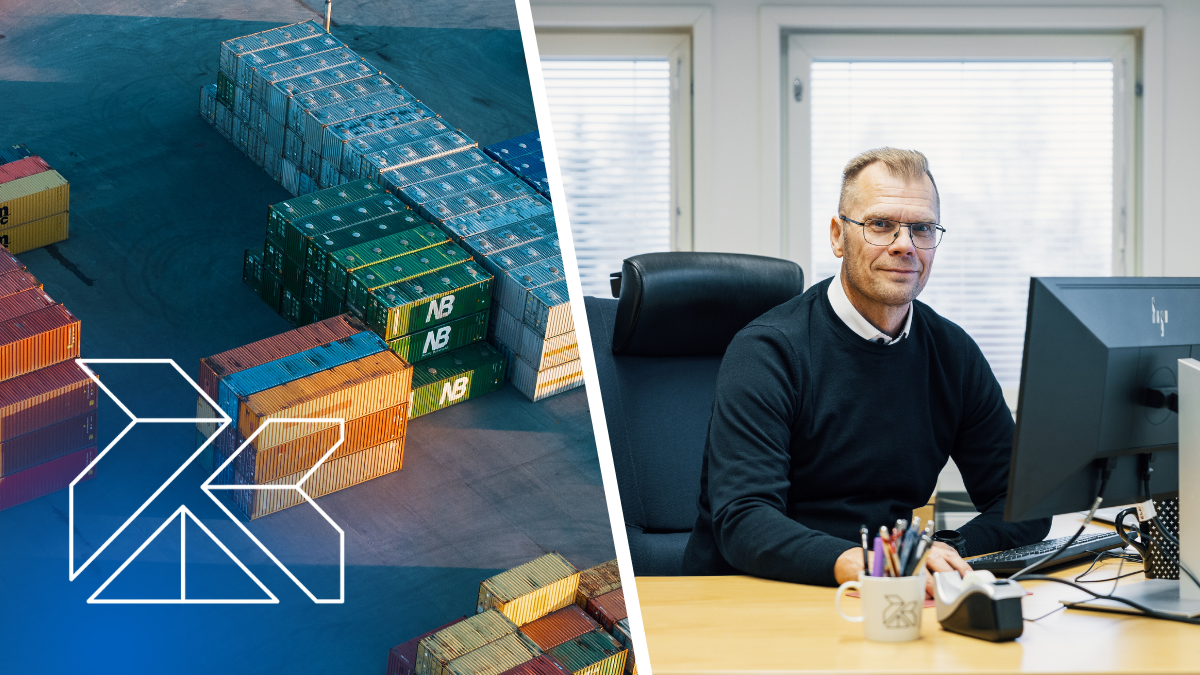
Jan Österlund
Area Manager
Backman-Trummer
Read more goodstories articles